
Because almost all of them came from England, I wanted to stretch them as far as I could. There are a number of methods for basing up fighters, and I combined a few of them to do it easily and cheaply.
One method I had been considering involves Litko bases. They are very durable and easy to use, but expensive. First you need a Litko flying base and then you add a chevron-shaped attachment to the top. They also make a three-pronged triangle that you can stick fighters on. Both work well and I have seen them used to great effect — but they weren't really what I was looking for, and I'd need a lot of them, so I kept looking.
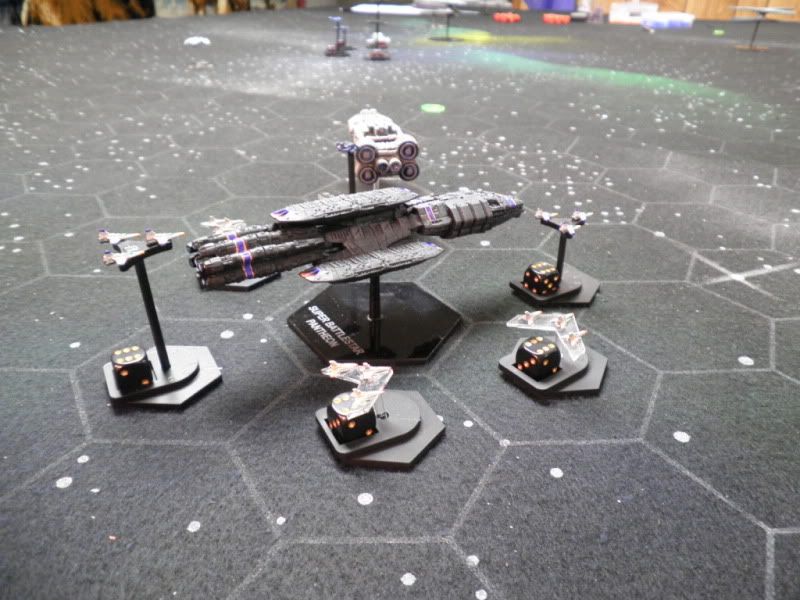
The fighters are based using Litko products. These are not my miniatures!
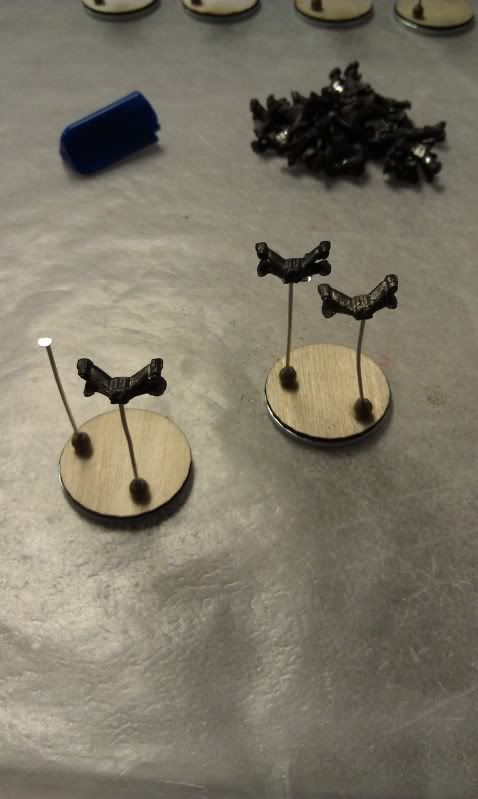
Another great option was to base them up like the creator of Star-Ranger did. He took a one-inch wood disk and glued three pins to them. Then he drilled a small hole into each fighter and mounted the fighters on the pins. I had a hard time drilling the holes, though, so I had to think outside the box. What I ended up doing was flipping around the pin and using the flattened top to attach the fighters.
But how to get the pin on the base? To solve that problem, I found some 3.2mm brass beads from the same craft store. If I glued them to my wooden base, I could stick the pin into the bead, giving me a strong connection. It worked amazingly well.
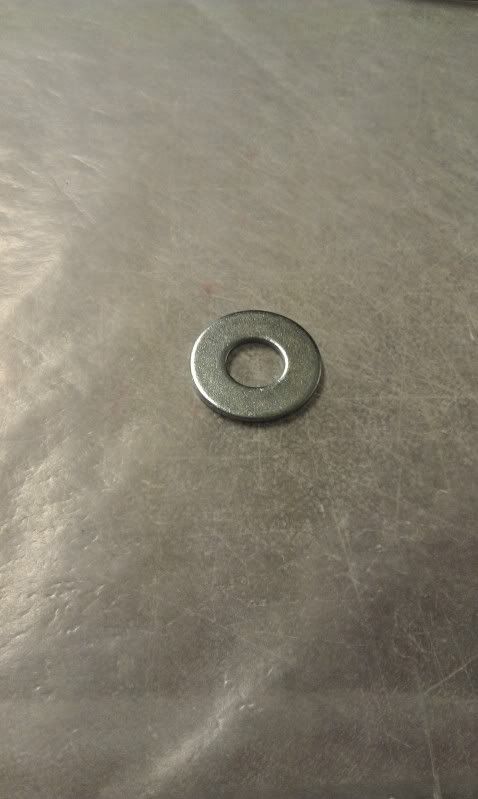
For the bottom, I first used a 7/8" steel washer from Lowe's and then discovered that Litko sold plywood disks the exact same size. I ordered a few hundred of them at 0.8mm thick and started gluing. After gluing together the washers and plywood, I had a reasonably heavy base that was magnetic.
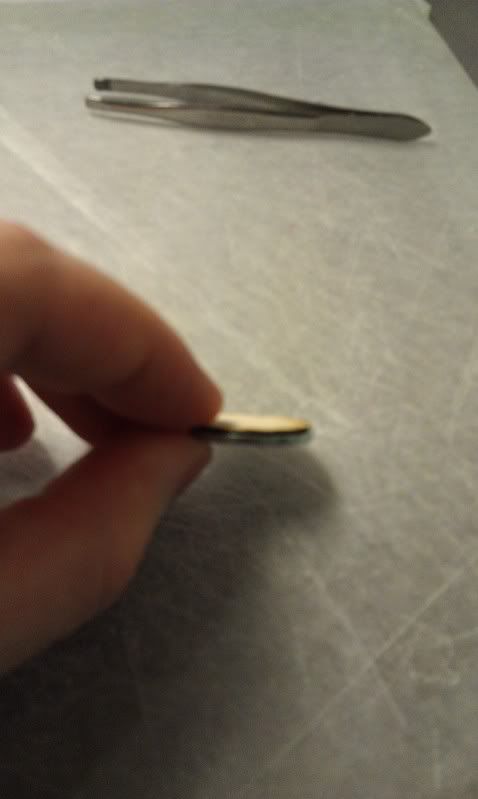
The next step was the glue down two beads, making sure to leave plenty of space between them. Some of my fighters were quite large and I didn't want any collisions!
After letting the glue set up a bit under the bead, I added more glue and stuck the pin into the bead. It wasn't an exact fit but using a very thick gel glue, it worked.
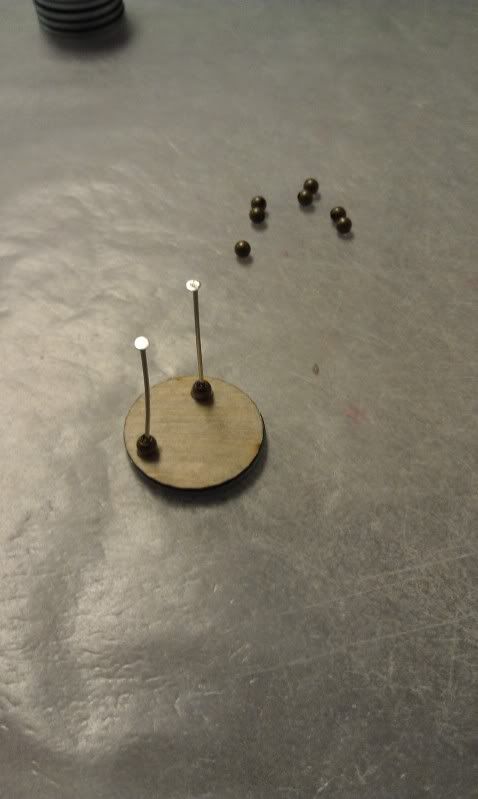
Attaching the fighters took some more work. Some of them were small enough that they went on very easily. Some took a bit more convincing. And for a handful, I needed to glue a bead to the bottom of the fighter, cut off the flat head of the pin, and use what was left of the pin to connect the two beads.
I put two fighters on each base, which leaves room for a small dice to track how many ships are left in the squadron, and for any identifying labels I might want to use.
For shuttles and larger craft I only put on per base, mainly because Ground Zero Games stopped making their small shuttles and similar craft, so I was stuck with whatever I had on hand.
After I based up over 100 squadrons I decided to see how much it cost me per base. Using Litko's three-peg base, it would cost 63 cents per base. Using their chevron base, it would cost 73 cents per base. My method took more time but only cost 17 cents per base.
One more method works well: Studio Bergstrom sells a Versi-Base, which is a piece of foam you can stick pins into for mounting fighters. I have heard very good things about them, but each one costs 20 cents, which still makes my similar method slightly cheaper.
— Mike, Chicago Skirmish Wargames member

2 comments:
Nice solution. Look forward to seeing some space battle reports. What rules are you using?
We play Full Thurst in the group but I prefer Colonial Battlefleet. It's a really solid system that you cannot break while designing your own ships.
Post a Comment
Note: Only a member of this blog may post a comment.